

From the LCG Horticulture Committee, based on the talk by committee member Tracey Mackersie at our October meeting
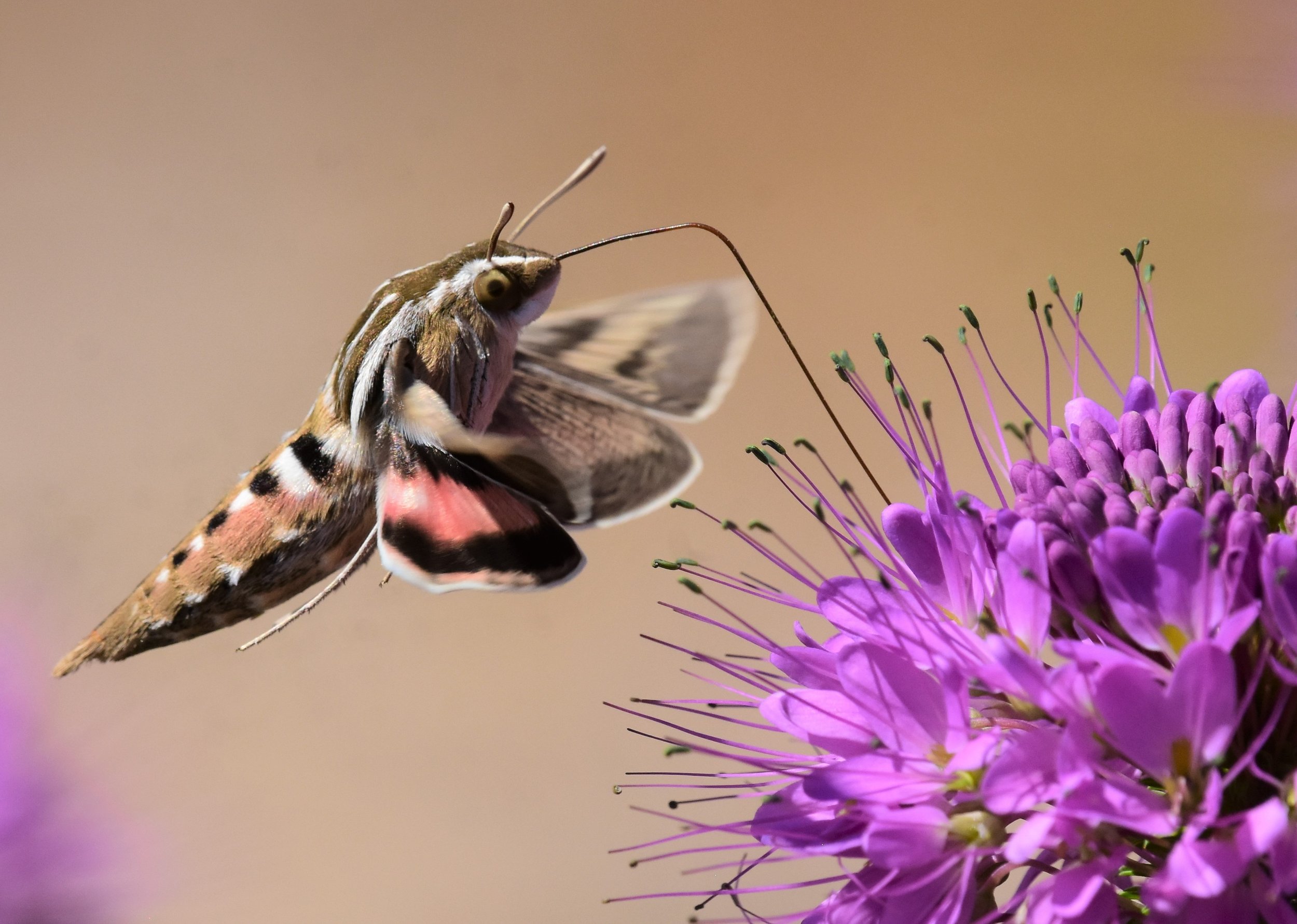
A white-lined sphinx moth sipping nectar on the wing. Photo: Tom Koerner / USFWS, public domain
When we picture pollinators, most of us think of bees and butterflies working the garden on a sunny afternoon. But once the sun goes down, a second crew clocks in. Moths, a few kinds of solitary bees, and beetles keep pollinating flowers through dusk and into the night.
Tracey opened our October meeting with a short talk on these night shift workers, a nice warm-up for our monarch program. Scientists are only starting to understand how much crops and wild plants rely on them. Here is what we learned, and what you can do in your own yard.
Who works the night shift
Moths: the heavy lifters
Massachusetts has more than 3,000 listed moth species. Moths outnumber bees in both number of species and sheer numbers of individuals, which gives them a lot of chances to pollinate.
A few things make them especially good at the job:
They handle the cold. Moths stay active at lower temperatures than bees. That matters in early spring and late fall, when nights dip below what bees can manage but plants are still blooming.
They're built for it. Recent research suggests moths can be more efficient pollinators than daytime insects, thanks to their hairy undersides. Long tongues (a proboscis) reach nectar deep inside flowers, and feathery antennae pick up floral scent at very low levels.
They spread pollen far. Bees forage around a home nest. Moths don't store nectar, so they keep moving. They visit more flowers in a single night, stop at plants bees often skip, and may travel several miles between patches. That long-distance travel mixes pollen across the landscape and helps plants hold on where development has split up their habitat.
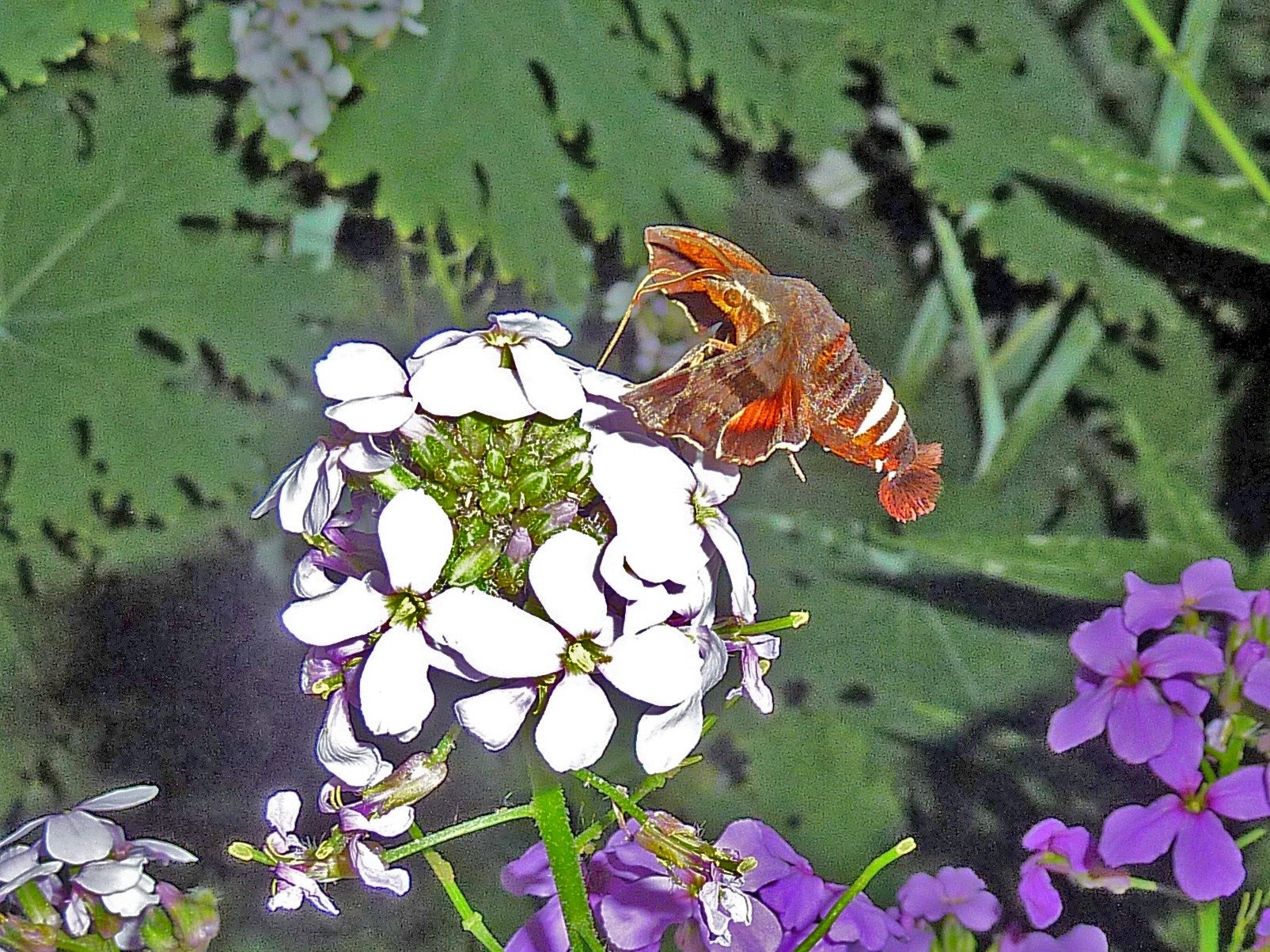
A Nessus sphinx moth stopping in for a drink. Photo: James Steakley, CC BY-SA 3.0
Solitary bees: the twilight crew
About 250 bee species have adapted to forage in low light. Some sweat bees and polyester bees are crepuscular, meaning they work mostly at dawn and dusk, and masked bees are busiest at twilight. These bees go for strongly scented flowers that open in the evening, like jasmine and honeysuckle.
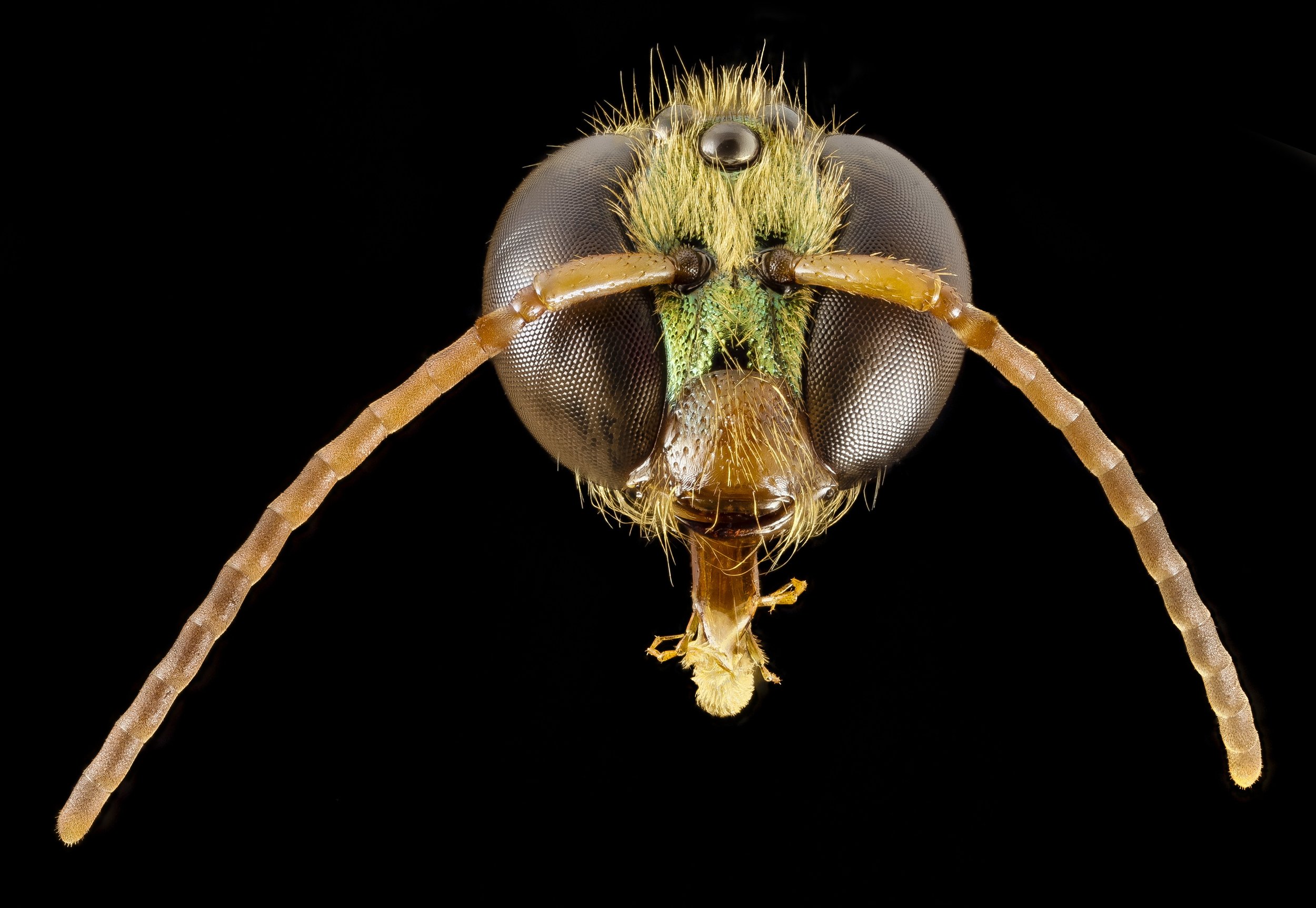
Big eyes, built for low light. A nocturnal sweat bee up close. Photo: USGS Bee Inventory and Monitoring Lab, public domain
Beetles: the original pollinators
Beetles were among the first insects to pollinate flowers, going back around 100 million years. That makes theirs the oldest plant and pollinator partnership on record. Fireflies, soldier beetles, long-horned beetles, sap beetles and checkered beetles all pitch in.
Night-active beetles are drawn to strong sweet or musky scents and to pale or white blooms that catch the moonlight. They mostly come for the pollen and have no special gear for carrying it. Pollen simply sticks to their bodies as they move from flower to flower, so beetle-pollinated plants make extra pollen to make sure some gets passed along.
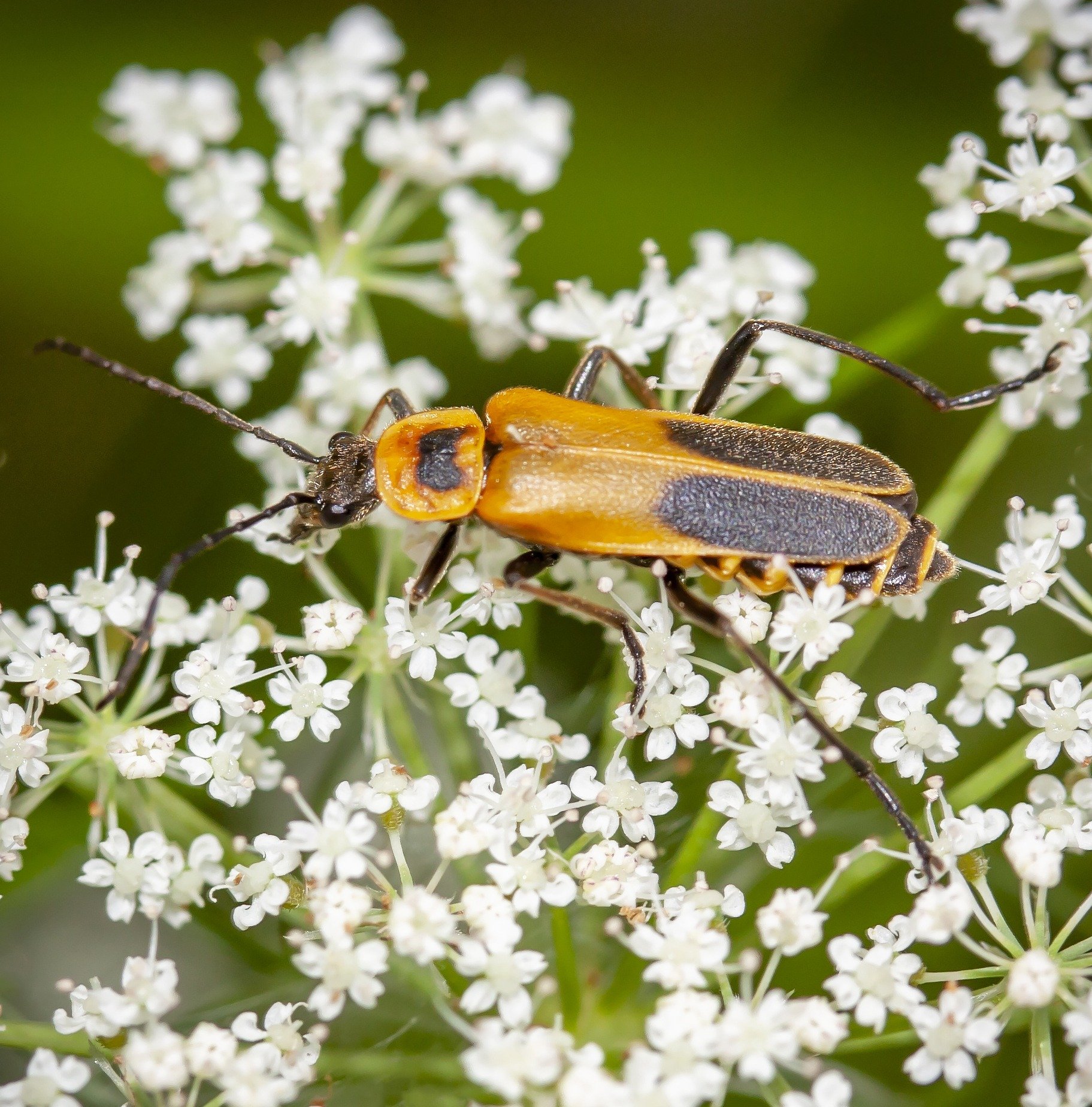
A goldenrod soldier beetle working a flower head. Photo: WanderingMogwai, CC BY-SA 4.0
How plants meet them halfway
Plants have had millions of years to adjust to their night visitors:
Larger, more open petals that give a good landing pad in the dark
Fragrance released mainly at night, as with some orchids and lilies
Richer, more plentiful nectar to fuel a night of foraging
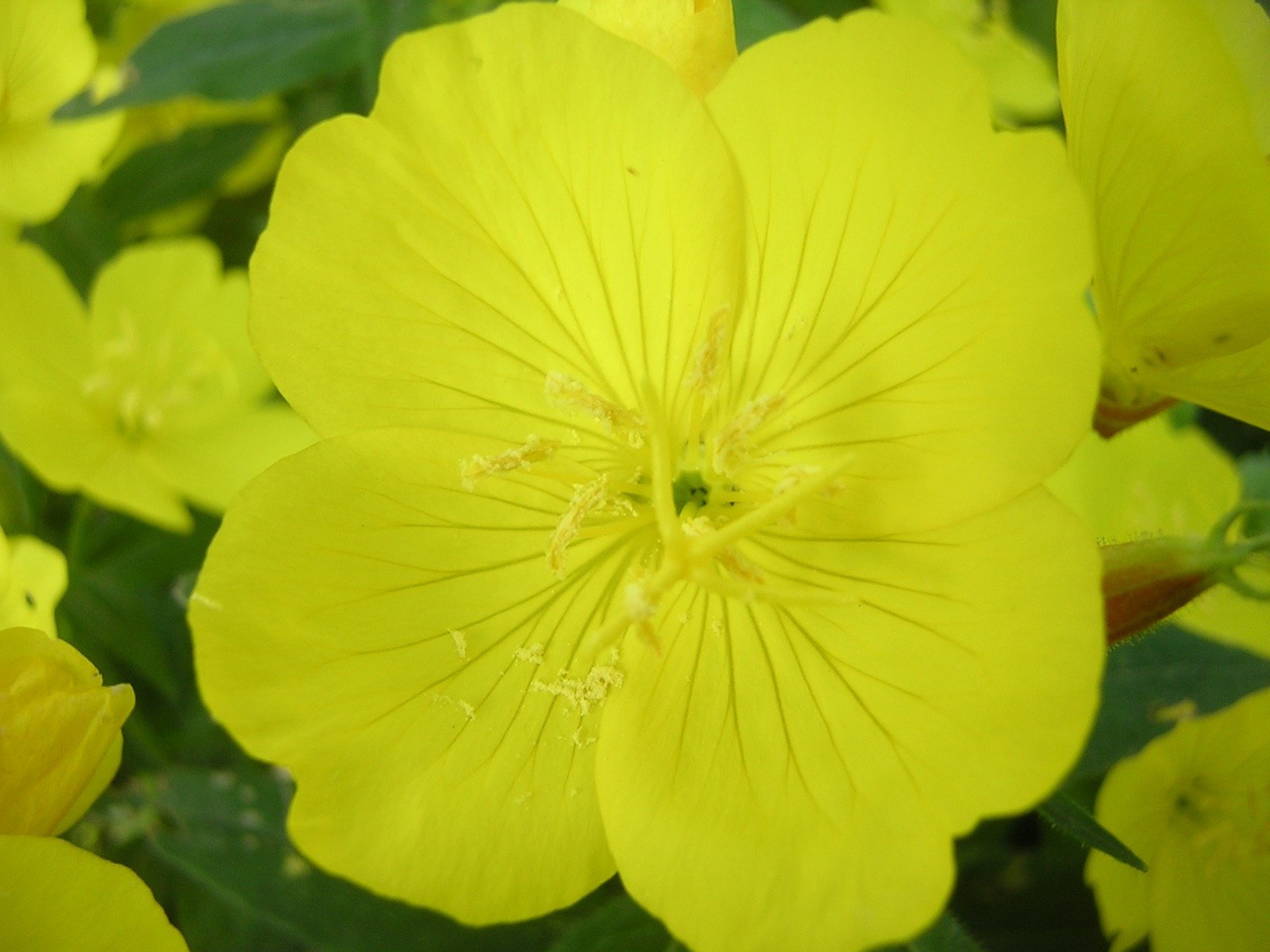
Common evening primrose, wide open and easy to land on. Photo: Borealis55, public domain
Some plants depend entirely on night pollinators to reproduce, including saguaro cactus, agave, yucca, certain native orchids and magnolias.
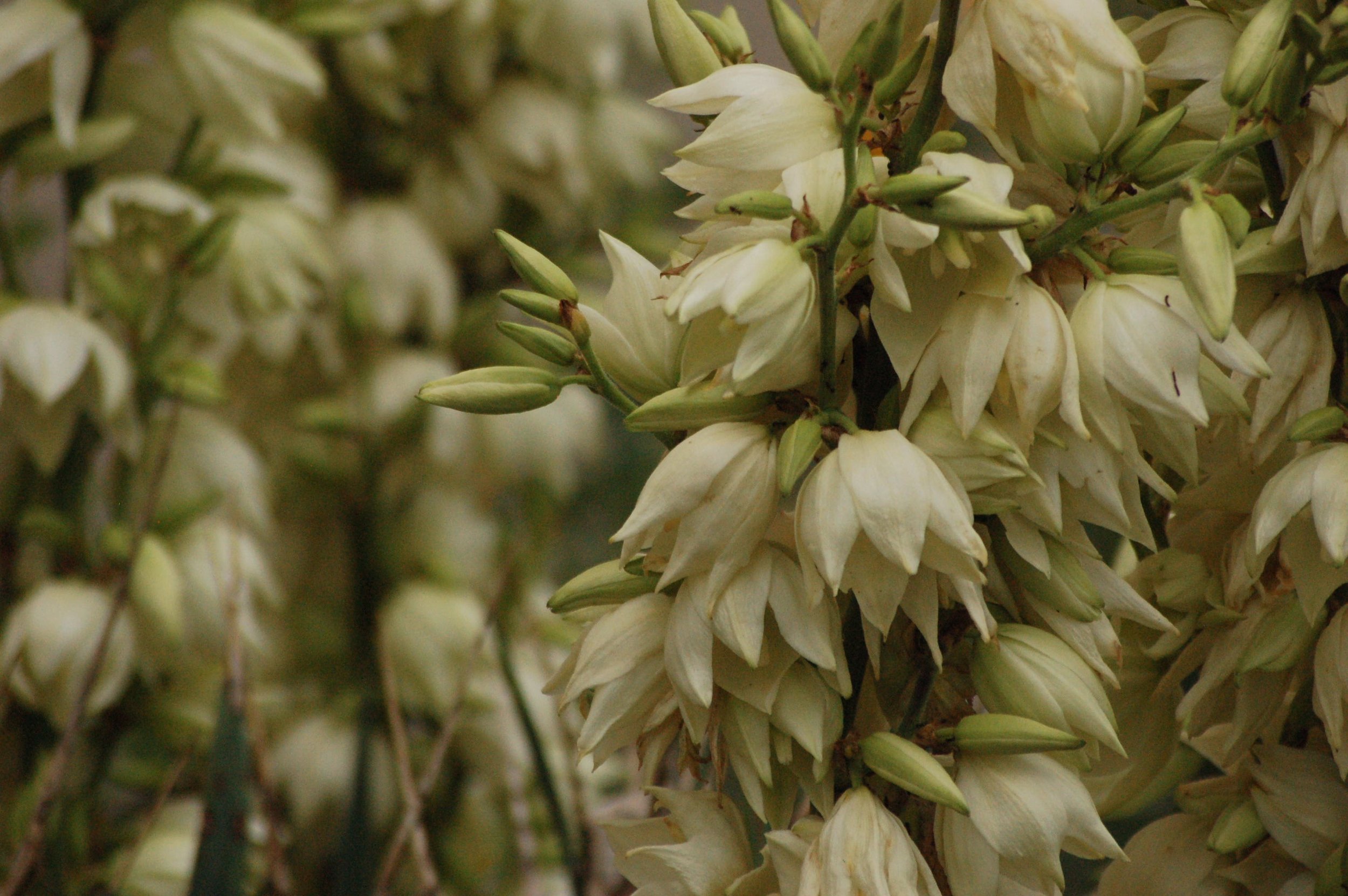
Adam's needle yucca, one of the plants that counts on the night shift. Photo: Trio3D, CC BY-SA 4.0
What's making the night harder
Light pollution throws off navigation, mating and the ability to find flowers.
Air pollution from car exhaust and industry can interfere with the scent trails moths and others follow.
Mowed-down grass is a problem for fireflies. Females can't fly, so they need tall grass to climb up and flash their lights for males during mating season.
Pesticides, herbicides and fertilizers affect every pollinator, day or night.
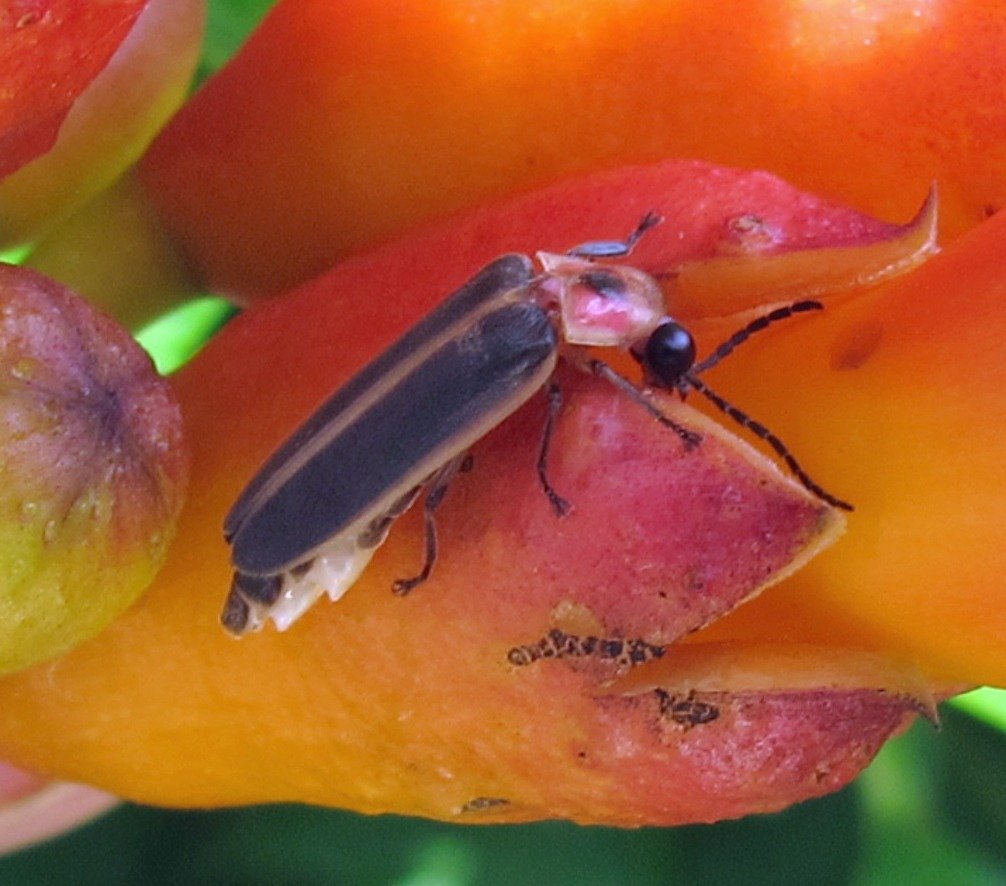
A common eastern firefly. Leave some tall grass so they can find each other. Photo: Jacy Lucier, CC BY-SA 4.0
Habitat starts on the ground
To become adults, these insects first have to survive as eggs and larvae. Most butterflies and moths spend the winter as an egg, caterpillar, cocoon or adult, and fallen leaves are where many of them do it. Leaf litter protects them from predators and is often the first meal for newly hatched caterpillars. Luna moth cocoons even look like dried leaves so they blend right in.
They also need host plants to lay eggs on so the larvae have food. Some species rely on just one or two kinds of host plant to survive.
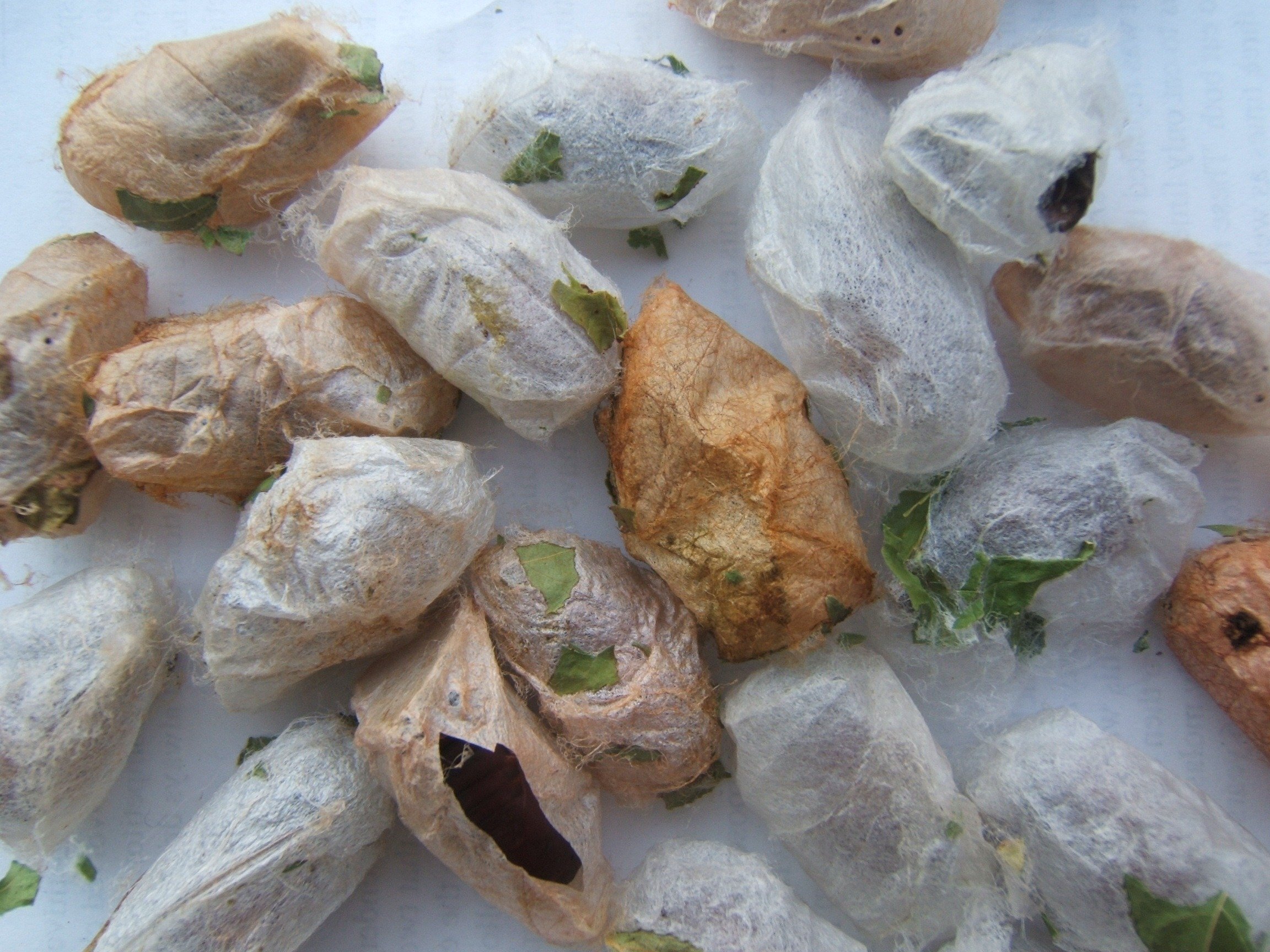
Luna moth cocoons, wrapped to pass for dried leaves. One more reason to leave the leaves. Photo: Shawn Hanrahan, CC BY-SA 2.5
How to support the night shift
The good news: helping night pollinators looks a lot like helping the daytime ones. With fall cleanup underway, this is the perfect time to start.
Plant native, and plant a variety. A mix of native plants gives adults nectar and gives larvae the host plants they need.
Add a few evening bloomers. Pale, fragrant flowers that open at dusk, like honeysuckle, are a welcome stop.
Leave the leaves. Rake them into beds or a quiet corner instead of bagging them. That pile may be sheltering next year's moths and butterflies.
Let a corner go wild. An untidy, unmowed spot with taller grass gives fireflies and overwintering insects a place to live.
Skip the sprays. Avoid pesticides and herbicides.
Turn off outdoor lights. If you need them, put them on motion sensors.
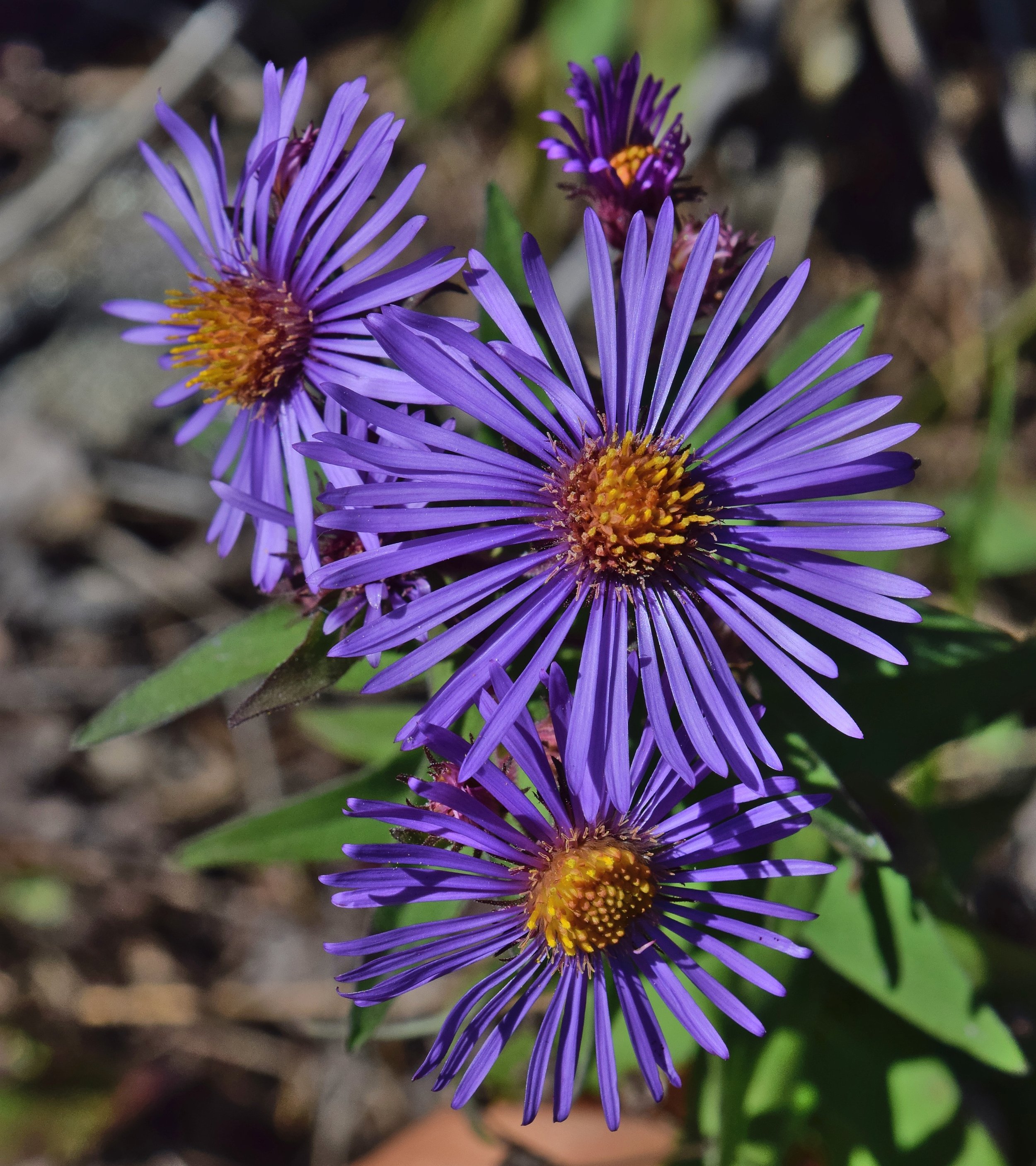
New England aster, a native that keeps pollinators fed into fall. Photo: The Cosmonaut, CC BY-SA 2.5 CA
A thank you
Many thanks to Tracey Mackersie for pulling this talk together and for sharing her notes with the committee. Next time you're out on the porch on a warm evening, watch the flowers for a minute. The night shift is probably already at work.
LCG Horticulture Committee
