

In Full Bloom: What's Growing in Littleton's Gardens This Week - May 24, 2026
Step outside in Littleton right now and the air tells you everything. That faint sweetness still drifting over fences and across the Town? That's the last of the lilacs, and they're nearly done.
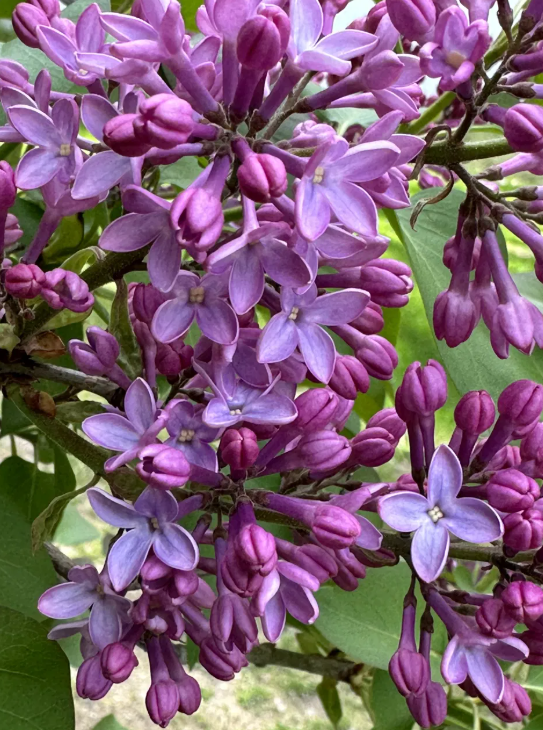
Littleton's lilacs put on a breathtaking show before fading — catch the last clusters before they're gone until next May. Photo: Angel Maldonado López
Lilacs Taking Their Final Bow
The lilacs are winding down this week, their blooms fading and browning at the edges after a glorious run. If you haven't stopped to bury your nose in a cluster yet, do it today — there may only be a few more days before they're gone entirely until next May. It's been a beautiful season for them, and their passing is the traditional signal that late spring has fully arrived and summer is just around the corner.
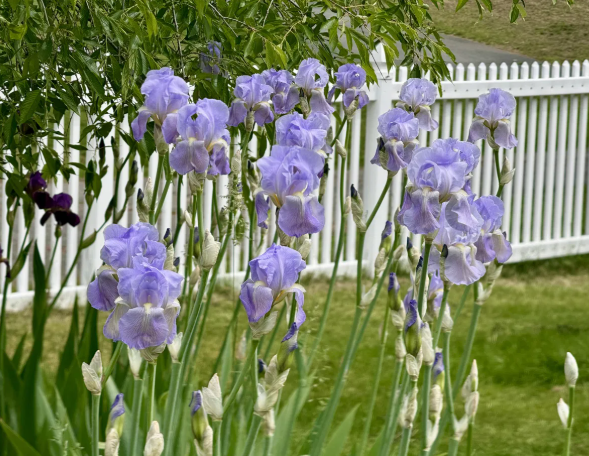
Bearded irises are now the undisputed stars of Littleton gardens, their lavender and purple blooms at peak beauty this week. Photo: Angel Maldonado López
Irises in Their Glory
Stepping forward as the lilacs fade, the bearded irises are now unquestionably the stars of the Littleton garden. Their velvety petals — in every shade from deep violet and royal purple to pale lavender, butter yellow, and pure white — are at or near peak bloom right now across town. Iris germanica thrives in the well-drained, slightly acidic soils common throughout central Massachusetts, and the mild spring we've had has brought them on beautifully. Look for them lining front walkways, anchoring perennial borders, and standing sentinel along stone walls. Catch them soon — two or three weeks is their season, and it's already underway.

False Indigo Flowers with Bumblebees (Bombus spp.) Karen Hine CC0 1.0
The Natives Are Putting on a Show
Littleton has long championed native plantings, and this week the payoff is visible all over town. The town's Conservation Commission has encouraged residents to focus on native plants, especially to support the native — and often declining — pollinators that rely on them. That investment is flowering literally right now. Littleton
Wild blue indigo (Baptisia australis) is sending up its tall spikes of deep violet-blue blooms in pollinator gardens and naturalistic borders around town. Baptisia is a low-maintenance perennial with spring flowers and deer-resistant foliage — a natural fit for Littleton's woodsy landscapes. Golden ragwort, another native, features clusters of golden-yellow flowers that bloom in early spring and attracts pollinators like bees and butterflies. Look for its sunny faces along shadier garden edges and along the trails. Garden DesignMy Home Park
Arrowwood Viburnum at Its Peak
One of the unsung heroes of a late-May Massachusetts garden is arrowwood viburnum, a native shrub that's quietly spectacular right now. Its showy flowers — small, white, flattened clusters — bloom late May to early June, and the intense blue fruit that follows is both ornamental and a food source for birds. It thrives in Littleton's varied soils and is virtually maintenance-free. Mass.gov
The Littleton Country Gardeners' Influence
Much of what you see in Littleton's public spaces reflects decades of work by the Littleton Country Gardeners. The club decorates the Reuben Hoar Library, holds an annual plant sale on the Common on the second Saturday of May, and provides garden therapy for senior citizens and an Arbor Day program for third graders. The plants sold at that May sale — perennials, herbs, and natives divided from members' own gardens — are now settling into new homes across town and beginning to bloom. gcfm
What Else Is Out There
Scan any well-tended Littleton garden this weekend and you're likely to also see:
Alliums — their perfect purple globes hovering above the foliage on tall stems, a gorgeous companion to the irises and a bridge between spring bulbs and summer perennials
Creeping phlox (Phlox subulata) — still trailing its pink and white blooms over rock walls and sunny slopes
Blanket flower (Gaillardia) — just beginning its long season of red-and-yellow daisy blooms that will carry through summer
Astilbe — budding up in shady corners, ready to unfurl its feathery plumes in another week or two
In the Vegetable Garden: Fingers Crossed for a Bountiful Season
It's not just the flower beds that are buzzing with activity. Across Littleton, raised beds and backyard plots have been turned, amended, and planted in earnest. Tomatoes, peppers, cucumbers, and squash are in the ground now that the last frost danger has passed, and rows of lettuce, kale, and Swiss chard are already a few inches tall. May is the month that Zone 6 has its average last frost, and after that date it is generally considered safe to plant tender seedlings outdoors. Gardeners who've been hardening off their seedlings on porches and in cold frames for the past few weeks are finally setting them free. The Littleton Seed Library at the Reuben Hoar Library has been a popular resource for those growing from scratch — a free resource housed in a card catalog cabinet, offering a wide variety of vegetables, herbs, and fruit that can be grown in the local area. With the soil warm and the days long, optimism is running high. This year's harvest, neighbors will tell you, is going to be spectacular. Sow True SeedLittleton
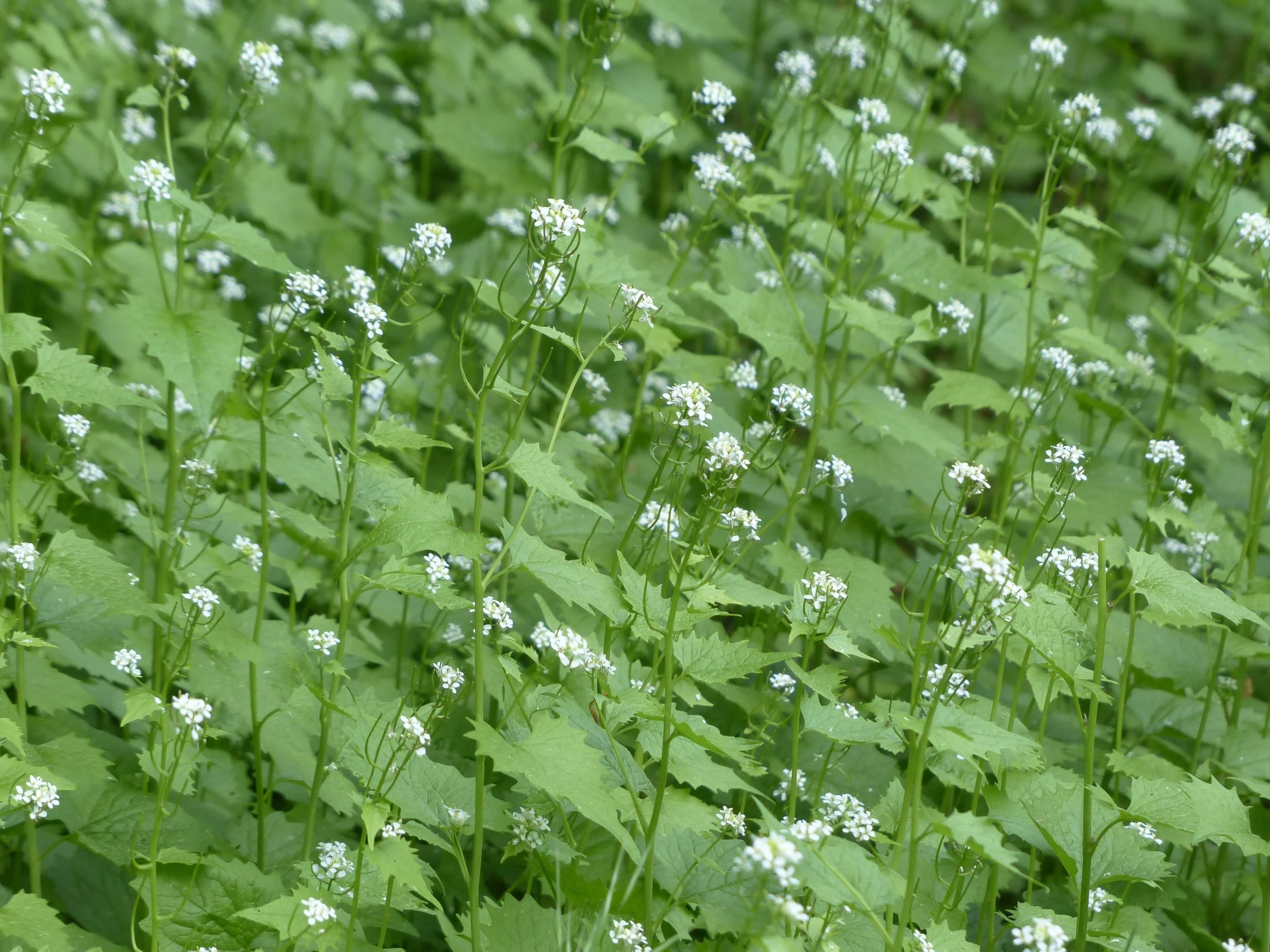
⚠️ Invasive Plant Alert: Act Now While It's Easy
While you're out enjoying the garden this week, keep an eye out for two of the most damaging invasive plants in our area — both of which are far easier to control right now than they will be in a few months.
Oriental Bittersweet (Celastrus orbiculatus) is already leafing out and putting on new green growth along field edges, stone walls, and woodland borders all over Littleton. It invades fields, field edges, and forests, forming dense mats that smother trees and shrubs. For young vines, hand pulling can work. Now is exactly the time to tackle it — the new vines are thin, the soil is moist from spring rains, and the roots haven't yet had a full season to anchor themselves. Hand pulling is effective in small infestations, but you must remove the entire root section or re-sprouting will occur. Note that new twig growth is smooth and green, and leaves are rounded and narrower at the base — helpful identifiers when you're scanning a tangle of vegetation. Do not compost pulled vines; bag and dispose of them. Mass Audubon + 2
Garlic Mustard (Alliaria petiolata) is blooming right now — those clusters of small white flowers popping up along woodland paths, roadsides, and shady garden edges. The prime pulling season runs from late April through May, since it's important to remove the plants before they go to seed. Spring rains' damp soils ease tugging and make the removal process easier. For small populations, hand pulling can be effective. Pull the whole plant including the upper root, and bag it — don't compost it, as the seeds will continue to ripen even after the plant is pulled. A nearby town's Conservation Commission has even set up a dedicated garlic mustard disposal dumpster, and residents are asked to pull the entire plant including roots before it goes to seed, bag it in a paper bag, and contact the Conservation Office to make an appointment to dispose of it properly. Check with Littleton's Conservation Commission for local disposal options. Friends of the Mississippi River + 2
A few hours pulling invasives this weekend can make a meaningful difference for the native wildflowers, trees, and pollinators that depend on healthy local ecosystems.
Go Find It
The Littleton Trails Facebook page has a growing community of people who post recent sightings and great photos, updated through the seasons. If you want to see Littleton's native pollinator gardens up close, the town has made available a self-guided tour package for the Cloverdale garden and the Reuben Hoar Library grounds — a lovely way to spend a May afternoon. Littleton
The garden is never more generous than it is right now. Get outside and catch the irises at their peak — and say a fond farewell to this year's lilacs.
The Littleton Country Gardeners welcome new members. Contact LittletonCountryGardeners@gmail.com for information on joining.
